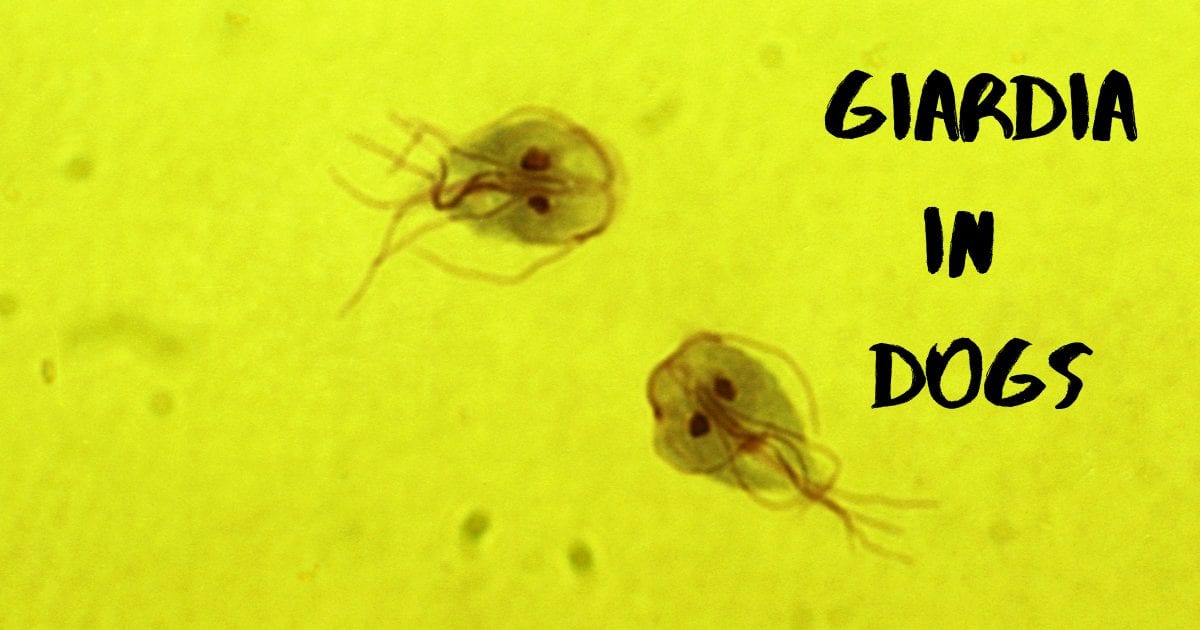
Giardia is a microscopic intestinal parasite that can cause digestive problems, most commonly diarrhoea. However, some infected dogs may show no symptoms at all.
Giardia can be found in a variety of environments, meaning dogs can become infected not only through contact with other animals, but also outdoors by sniffing or licking contaminated areas, or by drinking from puddles and other potentially contaminated water sources.
How Does Giardia Spread?
Giardia spreads through the faecal–oral route – a dog becomes infected by ingesting Giardia cysts that are shed in the faeces of an infected animal.
The cysts can contaminate soil, grass, water, various surfaces, paws and fur. A dog can become infected, for example, by:
- drinking from a puddle or contaminated water source;
- licking contaminated paws or fur;
- sniffing or licking contaminated areas;
- coming into contact with the faeces of an infected dog or traces left behind;
- coming into contact with contaminated bowls, toys or other items.
How Can You Reduce the Risk?
It is practically impossible to completely avoid exposure to Giardia in the environment, but the risk can be reduced by:
- not allowing your dog to drink from puddles or other questionable water sources;
- picking up faeces as quickly as possible;
- regularly washing your dog’s bowls and belongings;
- keeping your dog’s paws and coat clean;
- contacting your veterinarian if your dog develops persistent or recurring diarrhoea.
What Do We Do?
As different dogs stay at our hotel, we pay close attention to infection prevention. We clean and disinfect our facilities and surfaces every day, remove faeces as quickly as possible, and carefully clean and disinfect shared items.
We also believe that open communication is important. If we receive information that a contagious disease has been diagnosed in a dog that stayed at our hotel, we inform the owners of other dogs who may have been in contact with that dog, so they can monitor their pets more closely and, if necessary, consult a veterinarian.
However, even with strict hygiene measures in place, it is impossible to completely eliminate the risk of infection. Dogs can come into contact with various pathogens both in public places and during walks, and some infections can occur without any noticeable symptoms.
That is why creating a safer environment is a shared responsibility between us and dog owners. We continuously take care of hygiene, prevention and communication, while owners play an important role by acting responsibly and seeking veterinary advice if they notice any signs of illness.